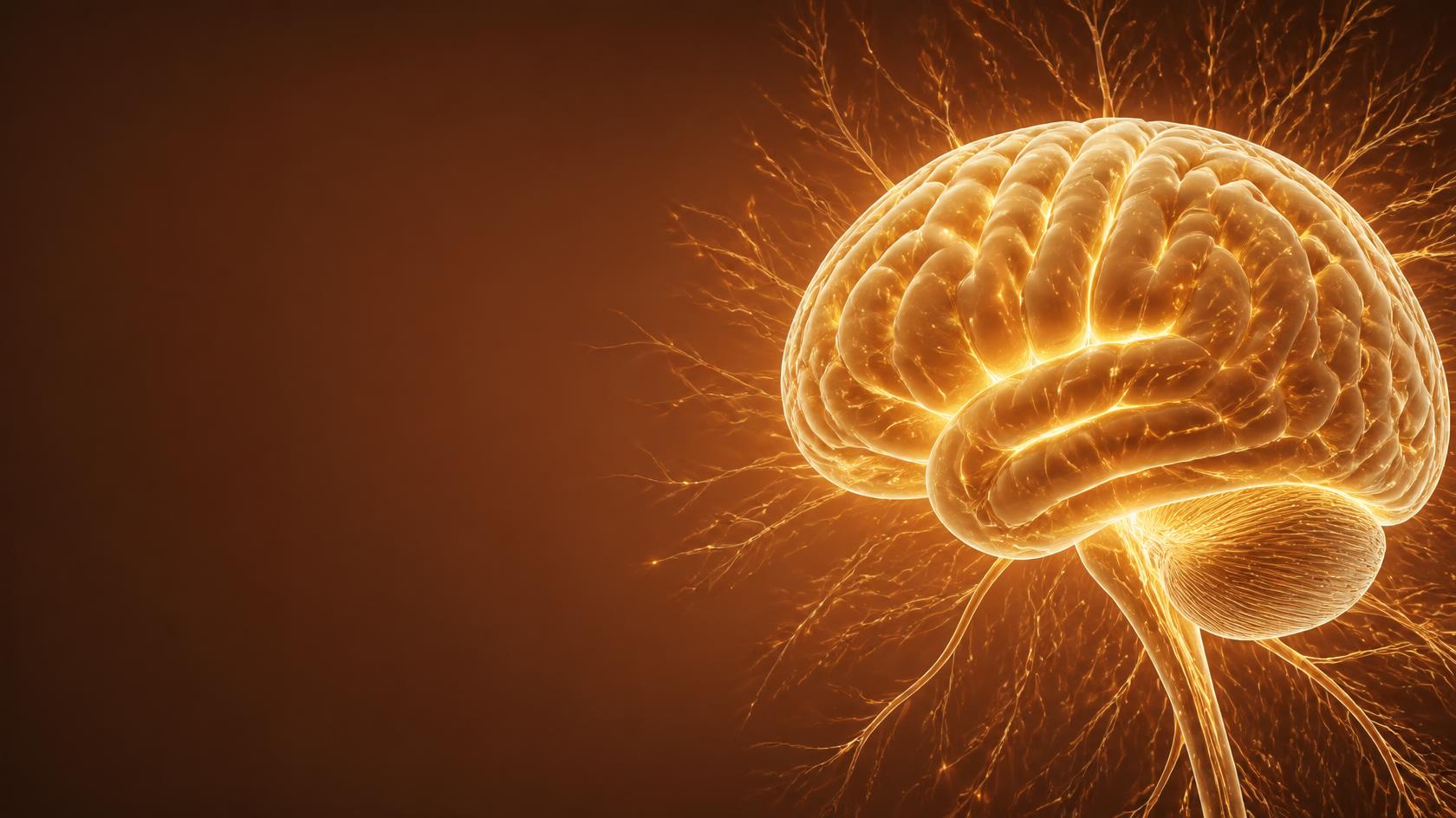

From injury to recovery — faster.
NESA accelerates recovery after injury and surgery through non-invasive autonomic regulation.
Information for healthcare professionals
Do you recognise yourself?
Recovery that stalls
Like a blood vessel blocked by roadworks. During recovery the “gas” restricts blood supply and tissue regenerates slowly.
Self-assessment, not self-diagnosis — discuss with a professional.
Non-invasive modulation of the autonomic nervous system.
Recovery
Faster tissue recovery.
Pain
Reduction of pain without medication.
Tone
Improved muscle tone.
Microcurrents that accompany healing.
NESA applies controlled low-intensity (0.1–1 mA) low-frequency (1–15 Hz) microcurrents through eight electrodes on the four limbs and one guide electrode. The signal reaches the autonomic nervous system and restores the balance between its sympathetic and parasympathetic branches.
In traumatology this balance bears on two things that set the pace of recovery: sleep quality and the processing of the pain signal. Both are governed autonomically, and both usually suffer precisely when the tissue needs them most.
Where NESA is applied in traumatology.
NESA does not speed up tissue healing. It works on sleep and regulation, which determine how effectively the body uses the time available for recovery.
Source: manufacturer NESA (NGS Health and Mind S.L.), post-market surveillance system, as of July 2026, and more than 20 peer-reviewed publications with journal and PMID. These are general data on the method, not results of a study in this particular specialty. Individual results may vary. Information for healthcare professionals.
A clear frame for the treatment course.
A typical course in traumatology. Parameters are adapted individually and the session runs alongside physiotherapy — the practitioner’s hands stay free.
Made for traumatology practice.
Traumatology departments
Postoperative recovery with parallel neuromodulation.
Rehabilitation centres
A session that runs during physiotherapy, with no separate appointment.
Sports medicine
Return to load with recovery monitored.
Download the NESA presentation.
Mechanism, indications, protocols and clinical data for implementing NESA.
Short answers for professionals.
Is the therapy safe?
Yes. NESA is a non-invasive, low-intensity method with no known systemic side effects. The manufacturer records zero reported serious adverse events across more than six million treatments delivered. Sessions are carried out by a trained practitioner.
Does it replace rehabilitation?
No. NESA complements physiotherapy and surgical treatment. The session can run alongside the exercises without occupying the practitioner’s hands.
When can it begin after surgery?
That is for the surgical team to judge. The method is non-invasive and does not burden the operative site, but the decision remains with the treating doctor.
Are there contraindications?
Active electrical implants, pregnancy and epilepsy require prior medical assessment. Metal osteosynthesis material is not in itself an obstacle — the judgement rests with the treating doctor.
Explore adjacent areas.
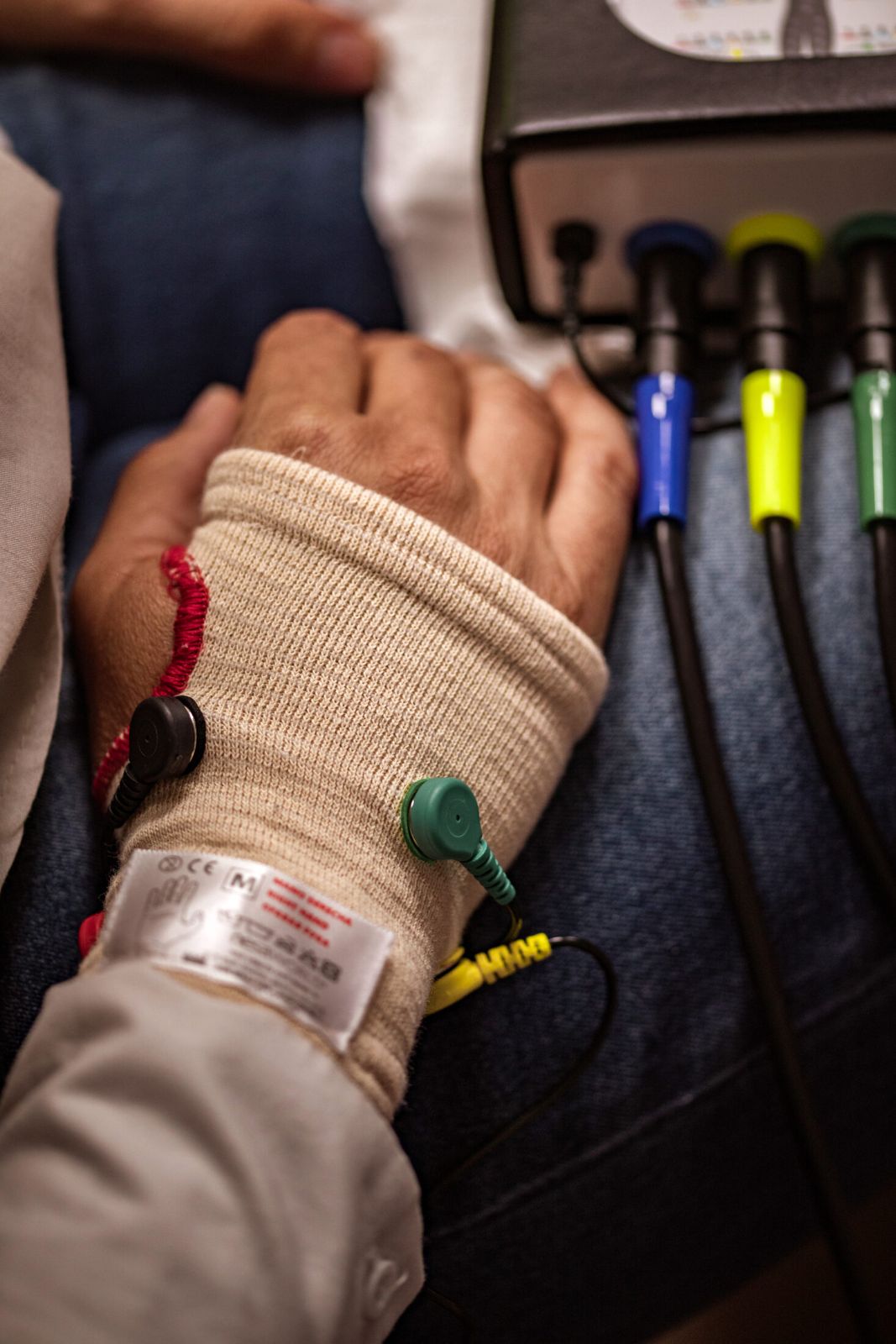
Microcurrents through the wrists and ankles — the whole autonomic axis at once.
Bring NESA into your practice.
Real values from the handbook (INF-CD-022)
Generalised pain / discomfort
Fatigue and muscle tone
Source: NESA protocol handbook · INF-CD-022 (2025-V.1). Standard session 60 min, LOW mode by default.
At the core: programmes P1–P9
Every protocol in this field combines the reference programmes P1–P9 — general homeostasis, body levels, ANS/CNS and targeted nerves — according to the clinical goal.
See programmes P1–P9 →Protocols are guidelines.
Parameters are guides; the therapist adapts them to the patient.
NESA is applied after individual assessment — as part of the overall medical plan.
Absolute contraindications (pacemaker, pregnancy, active electrical implants) follow the device IFU.
Before you invest — the independent assessment.
We map clinical goals, workflows, budget and reimbursement — then recommend the solution that meets the department’s needs, not the easiest to sell.
Where can I get a NESA session?
The authorised centres in Bulgaria — Sofia, Plovdiv and Pleven — with address, phone and contact person.
NESA information pack
Enter your e-mail, confirm with one click — and the NESA presentations (BG · DE · EN) arrive automatically. Free, no spam.