
RoboS™
Robotic surgery training. Coming soon.
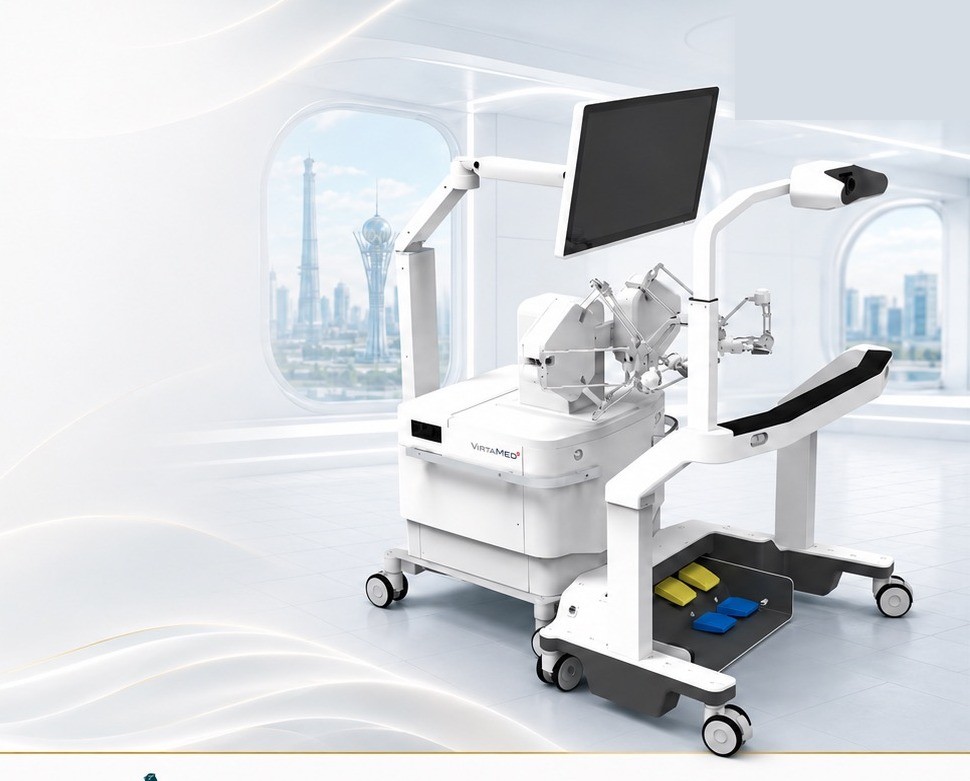
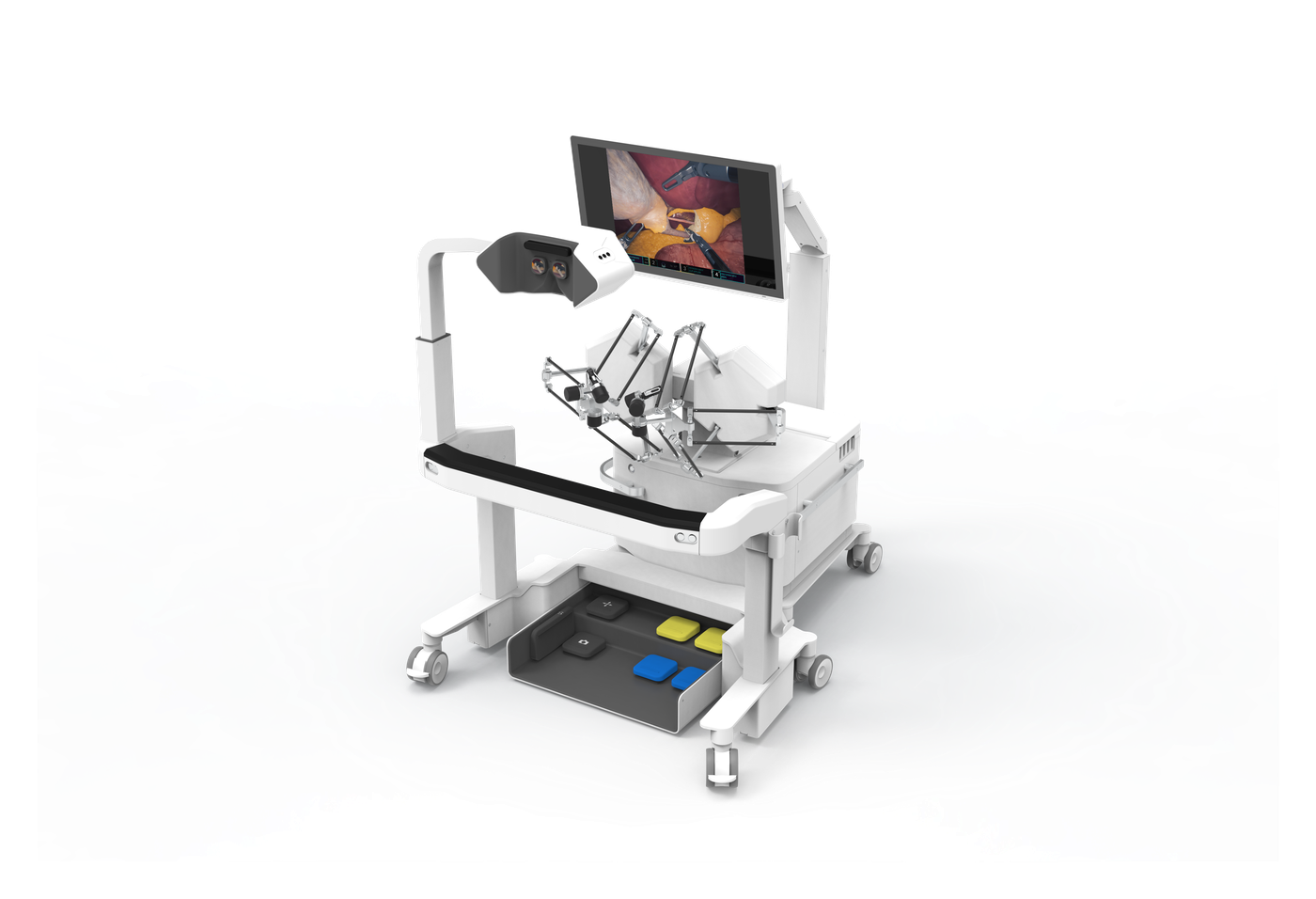
RoboS brings VirtaMed’s proven haptics into robotic surgery — console-agnostic training (Da Vinci, Hugo, Versius).
Console-agnostic robotic training
RoboS is in a pre-release phase and will offer structured acquisition of robotic skills, independent of the console.
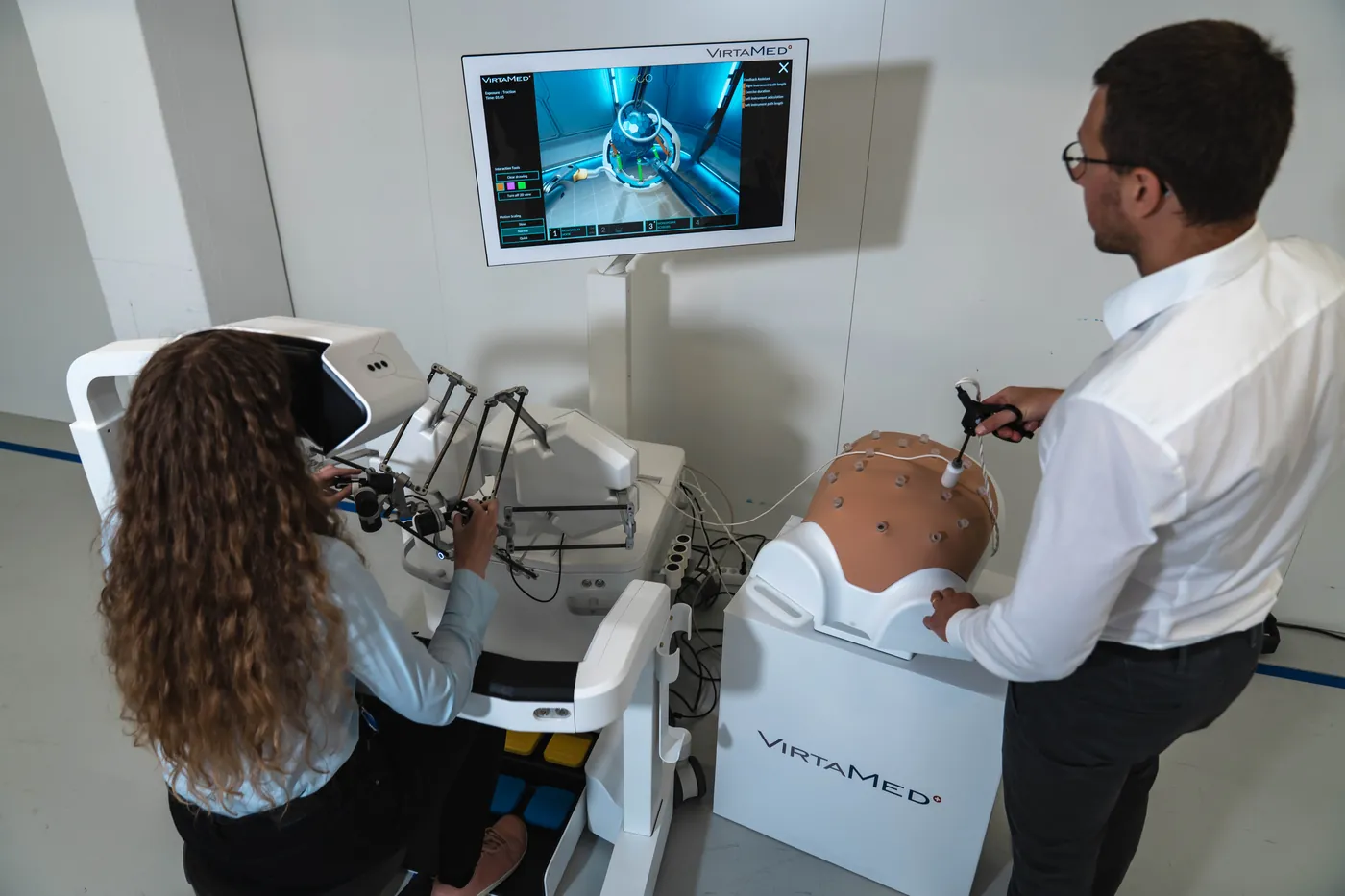
The reference partner is the European University of Madrid; the platform includes team training.
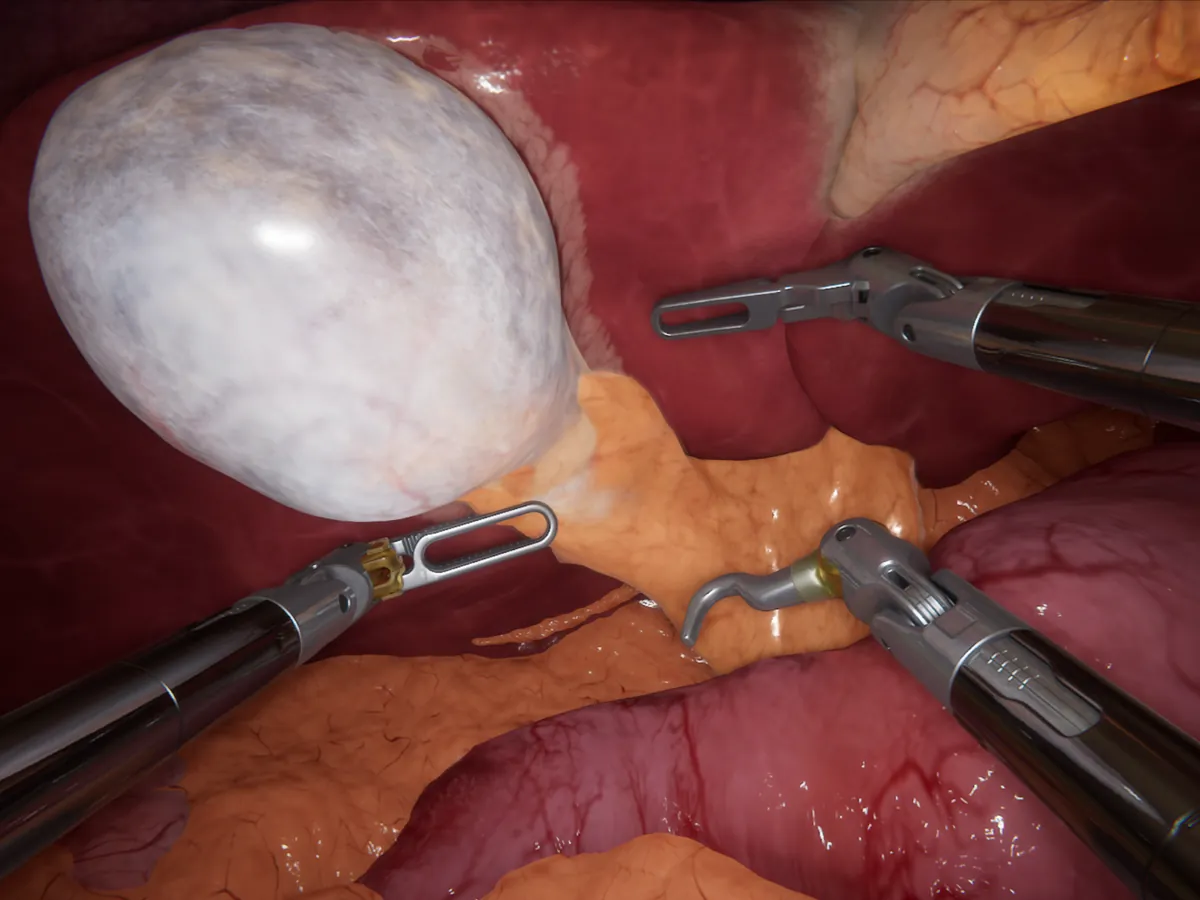
Clipping and dividing the cystic duct
- 01Robotic surgery, console-agnostic (Da Vinci, Hugo, Versius)
- 02Console and bedside assistant — simultaneously, in one session
- 03Team training: communication and role allocation
- 04Cholecystectomy: hepatocystic triangle, clipping, cutting
What you train
Fundamentals
Clutching, endoscope handling.
Vascular anastomosis
Precision suturing.
Intestinal anastomosis
Reconstruction.
Hepatocystic triangle
Cystic dissection, gallbladder resection.
Team training
Coming soon.
Robotic surgery — with a seamless transition to the real console.
Fundamental Skills
Core techniques — clutching, endoscope navigation.
Advanced Suturing
Precision, efficiency and safety in suturing.
Team Training
The first solution enabling true team training in robotic surgery.
Cholecystectomy
Procedural safety in solo and team setups; hepatocystic triangle, dissection of the cystic duct, gallbladder resection.
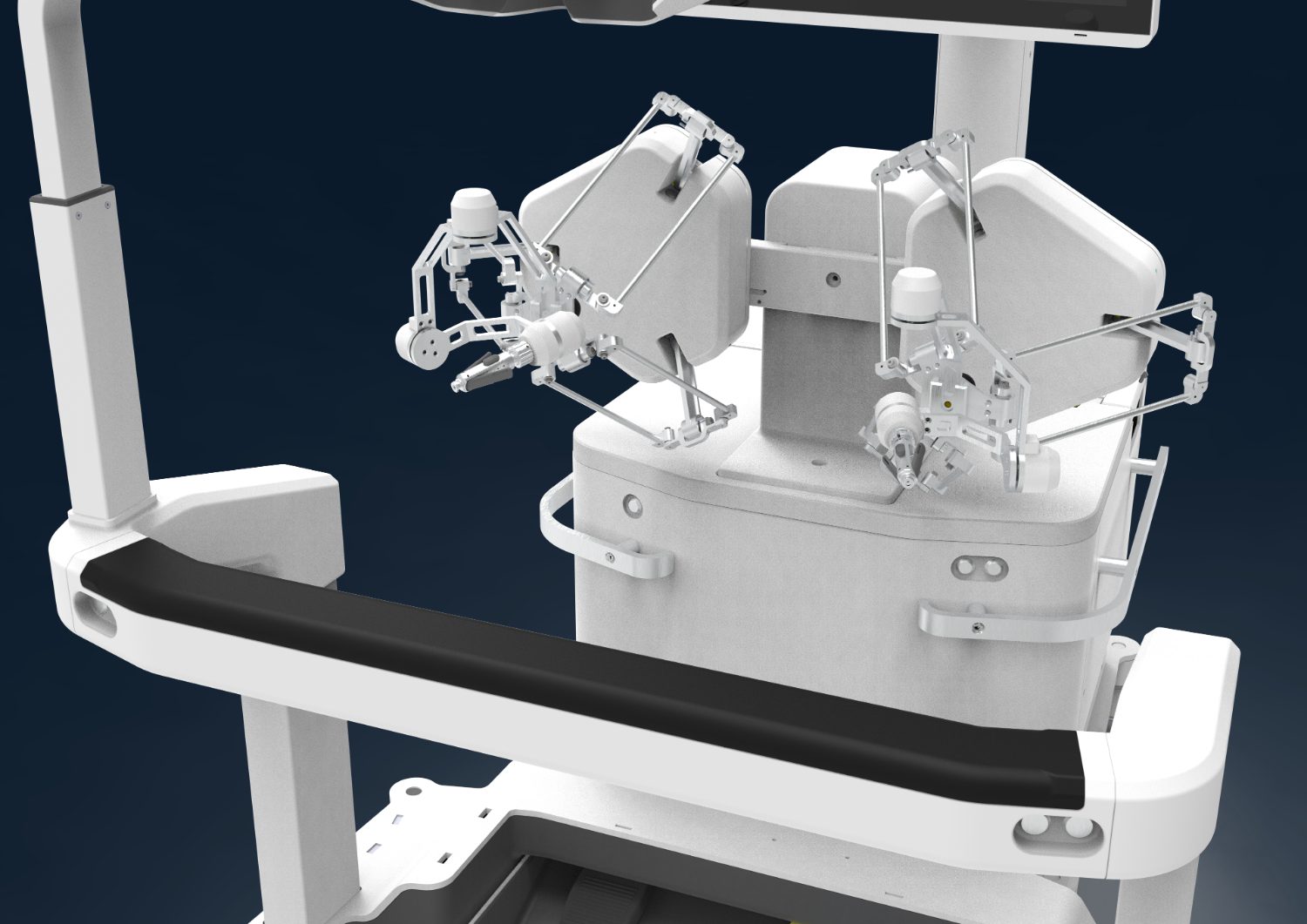
Console-independent (Da Vinci, Hugo, Versius); gravity-free control, clutch handles, 3D visualisation, standard pedal layout.
Console-agnostic interface
Training independent of the system.
Haptics
VirtaMed’s proven technology.
Objective metrics
Accuracy and economy of motion.
Team scenarios
Communication and roles.
Validated in practice
European University of Madrid
Reference partner.
Team training
Team-based training.
Class A+
Top class.
Fundamentals
Clutching, endoscope.
Anastomoses
Vascular and intestinal.
Procedures
Hepatocystic triangle.
Team training
Coming soon.
Arrange a RoboS™ demonstration.
16 priority exercises at launch — defined by a panel of robotic surgeons.
The hardware reproduces the Da Vinci console at its critical interfaces; training independent of Intuitive, 24/7 — not tied to the OR schedule.
"A central feature is the ability to seamlessly translate real situations into training scenarios — and back. Without a second console, leading robotic systems cannot be used for training during working hours or ongoing operations. This is exactly where RoboS will be decisive."
Four competency stages, not time served.
Basic skills
Core techniques — e.g. suturing and navigation.
Team training
Passing basic skills on to trainees.
Common procedures
E.g. cholecystectomy.
Complex procedures
E.g. colorectal surgery → graduation goal.
Full technical documentation, videos and evidence for this platform: medicalsimulation.eu →
Before you invest — the independent assessment.
We map clinical goals, workflows, budget and reimbursement — then recommend the solution that meets the department’s needs, not the easiest to sell.